EGO

Adyashanti said, “Ego is a movement. It’s a verb. It is not something static. It’s the after-the-fact movement of mind that’s always becoming. In other words, egos are always on the path. They are on the psychology path, the spiritual path, the path to get more money or a better car. That sense of ‘me’ is always becoming, always moving, always achieving. Or else it is doing the opposite—moving backwards, rejecting, denying. So, in order for this verb to keep going, there has to be movement. We have to be going forward or backward, toward or away from. We have to have somebody to blame, and usually it’s ourselves. We’ve got to be getting somewhere because otherwise we are not becoming.”

Does that make sense? Our mental states are constantly changing and flowing, just like a river. Thoughts, emotions, and perceptions arise and pass away ksana to ksana, without a fixed or permanent “self” to anchor them. Everything is impermanent—especially thoughts, emotions, and perceptions. Buddha taught that because the “mind is always becoming” it is anatta—not-self. Since there’s no inherent, unchanging self, only constantly arising and passing phenomena—each moment is distinct from the last and constantly moving forward with us. There’s no going back… although we often live in the past… review, review, review… endlessly going over and over what happened. Revising, reworking, endlessly. We are actually only moving forward. No matter how much our thoughts are stuck in the past.

By practicing the Dharma and mindfulness meditation we can stay present, not only noticing but experiencing the arising and passing of all kinds of mental states… and even sometimes not getting caught up and identifying with them. Having a deeper understanding of the impermanent nature of the mind. 
Being in the present moment

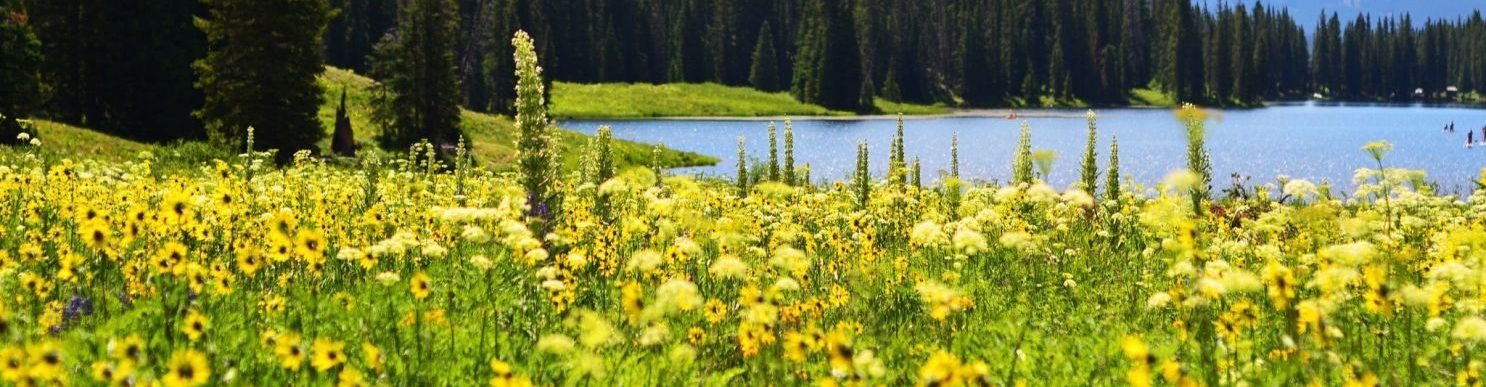
For so many of us, this is a difficult time. I find the Buddha’s teaching on living in the present moment to be so helpful. My own hopes and fears get me into trouble and create great suffering for me, and consequently others. Living in the story of how it should have been, and now, how it’s going to be, creates heartbreak.

How it actually is right now is the answer to suffering and heartbreak. So, when I launch myself off into the future, I ask myself. “What’s true in this very moment?” And I can calm down. I remember where I am and what I value. I remember that we are all connected. Not just some of us, but all of us are connected. When I remember our inter-beingness I can focus my heart on loving-kindness and compassion for us all.

Hope is all about the future… it’s not about the present moment. Thich Nhat Hanh wrote, “Hope is important, because it can make the present moment less difficult to bear. If we believe that tomorrow will be better, we can bear a hardship today. But that is the most that hope can do for us—make some hardship lighter. When I think deeply about the nature of hope, I see something tragic. Since we cling to our hope in the future, we do not focus our energies and capabilities on the present moment.”

What a lovely teaching. I’m following this today.

He also wrote, “Do not maintain anger or hatred… Do not utter words that can create discord and cause the community to break.” Instead of anger and hatred, I am deliberately, intentionally maintaining an open heart to all beings, and watching my speech so that I don’t cause greater division.

Buddha said, “Hatred does not cease by hatred, but only by love; this is the eternal law.”

Love is the answer.

I’m following this today, too.

Peace is Every Step, Thich Nhat Hanh

“Enlightenment, peace, and joy will not be granted by someone else. The well is within us, and if we dig deeply in the present moment, the water will spring forth. We must go back to the present moment in order to be really alive. When we practice conscious breathing we practice going back to the present moment where everything is happening. Western civilization places too much emphasis on the idea of hope that we sacrifice the present moment hope is for the future it cannot help us discover joy, peace, or enlightenment in this present moment.

“A. J. Muste, the 20th century leader of the peace movement in America who inspired millions of people said, “There is no way to peace, peace is the way.” This means that we can realize peace right in the present moment with our look, our smile, our words, and our actions. Peace work is not a means. Each step we make should be peace. Each step we make should be joy. Each step we make should be happiness. If we are determined, we can do it we don’t need the future. We can smile and relax everything we want is right here in the present moment.”

Happy Vesak–Buddha Day!

Happy Vesak–Buddha Day! This is the most important day of the year for us in the Buddhist community because it commemorates the Buddha’s birth, death, and enlightenment. Ajhan Lee Dhammadharo said, “Every year when this important day comes around again, we Buddhists take the opportunity to pay homage to the Buddha as a way of expressing our gratitude for his goodness. We sacrifice our daily affairs to make merit in a skillful way by doing such things as practicing generosity, observing the precepts, and listening to the dhamma.”

Today we’ll observe Vesak very … We’ll decorate the meditation hall with flowers, candles, and incense–unlit, of course–and we’ll have a short talk about the three jewels and tea.